It is one of the questions we hear most often, and the answer is a little more interesting than a simple yes or no.
Greek yogurt can be a source of probiotics, but only when its live cultures are still alive by the time you eat it. Not every container on the shelf can say that. Here is what actually separates a living, active yogurt from one that has lost the very thing that makes it worth eating.
What Probiotics Actually Are
Probiotics are beneficial live bacteria that support a healthy gut. Your digestive system is home to trillions of bacteria, some helpful and some less so, and eating foods with live cultures helps keep that balance tipped in the right direction.
Yogurt earns its place here because it starts as milk and is transformed by bacteria. Those bacteria ferment the milk, thicken it, and give yogurt its gentle tang. When they are still active when you eat them, they are doing good work on the way down.
Why Some Yogurt Loses Its Cultures
Here is the part that surprises people. Some brands heat-treat their yogurt after fermentation to lengthen shelf life or smooth out the texture. That heat kills the live bacteria. What is left looks and tastes like yogurt, but it is closer to a flavoured pudding, without the living cultures that make yogurt a probiotic food in the first place.
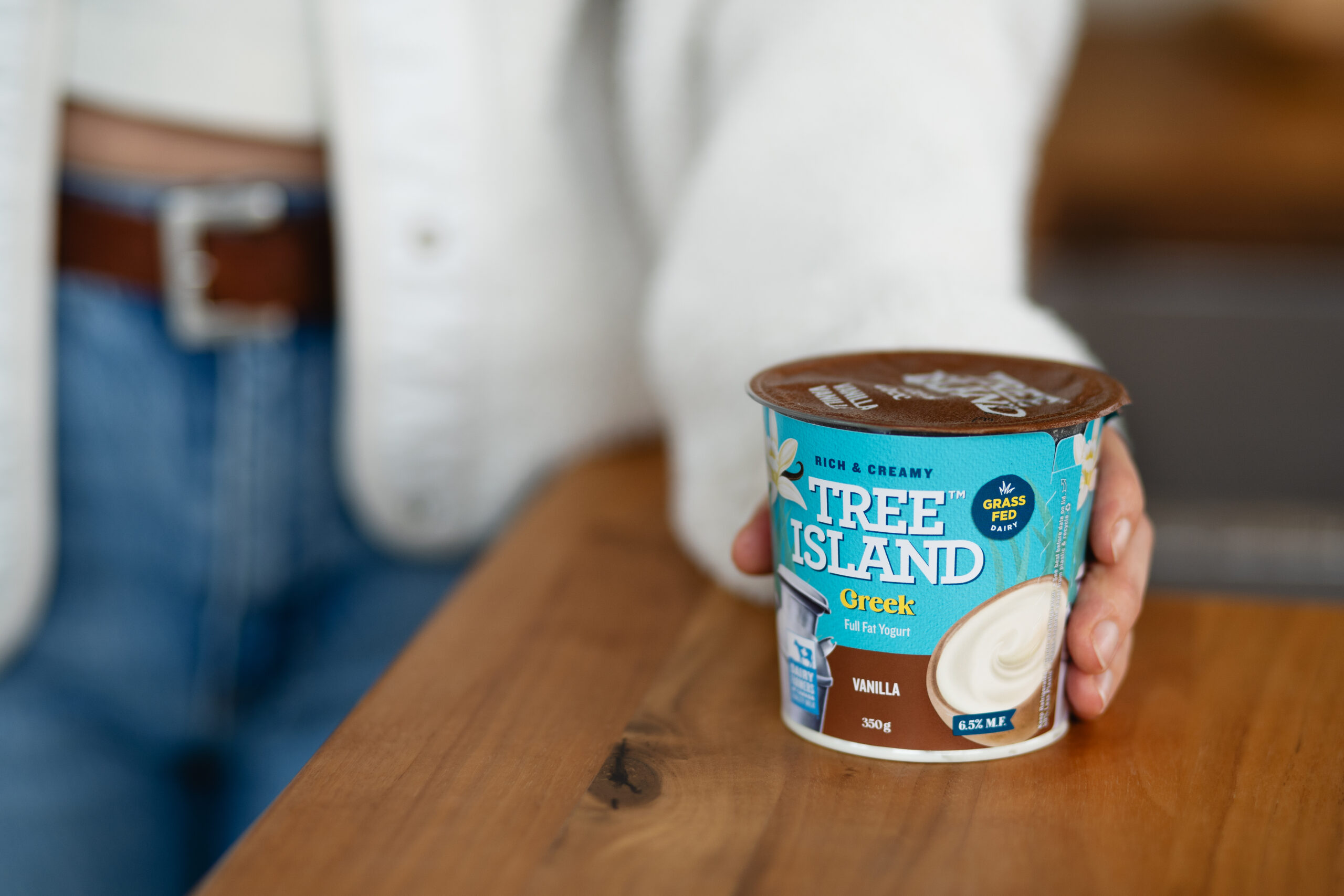
At Tree Island, we do not heat-treat our yogurt after fermentation. The cultures we ferment with stay alive from the moment we make each batch to the moment you open it. Our grass-fed dairy yogurt is cultured with Streptococcus thermophilus and Lactobacillus bulgaricus, the two classic strains that turn fresh milk into real yogurt.
Does Straining Change Anything?
Greek yogurt is made by straining regular yogurt to remove some of the liquid whey. That gives it a thicker texture and more protein per spoonful. Straining does not kill the cultures, so a properly made Greek yogurt keeps its live, active benefits while delivering that rich, satisfying body people love.
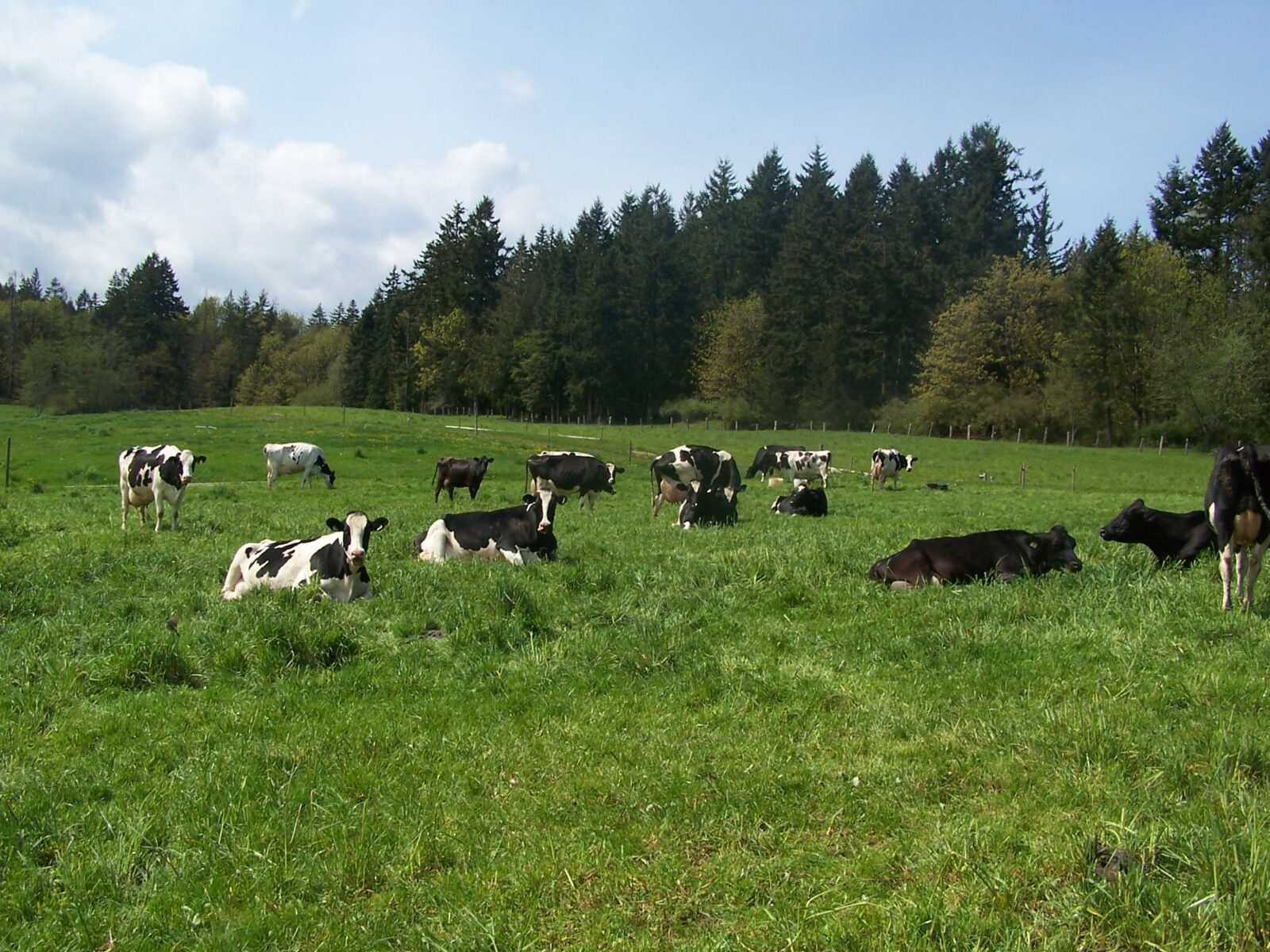
Ours is strained in small batches right here on Vancouver Island, using the same fresh, grass-fed milk we use across our whole line.
How to Spot the Real Thing
The label tells you almost everything you need to know. Look for the words “live active cultures,” or check the ingredients for named strains like the ones above. If a yogurt has been heat-treated after culturing, those cultures will not have survived, and you will not see that language.
A few simple habits help you get the most from them:
- Choose yogurt that lists live active cultures
- Keep it cold and eat it within its best-before window
- Skip heavily heat-treated, shelf-stable options if gut health is your goal
If probiotics are why you reach for yogurt, it is worth making sure the cultures are still alive when you eat it. Ours always are.
Find Tree Island Yogurt near you using our store locator.