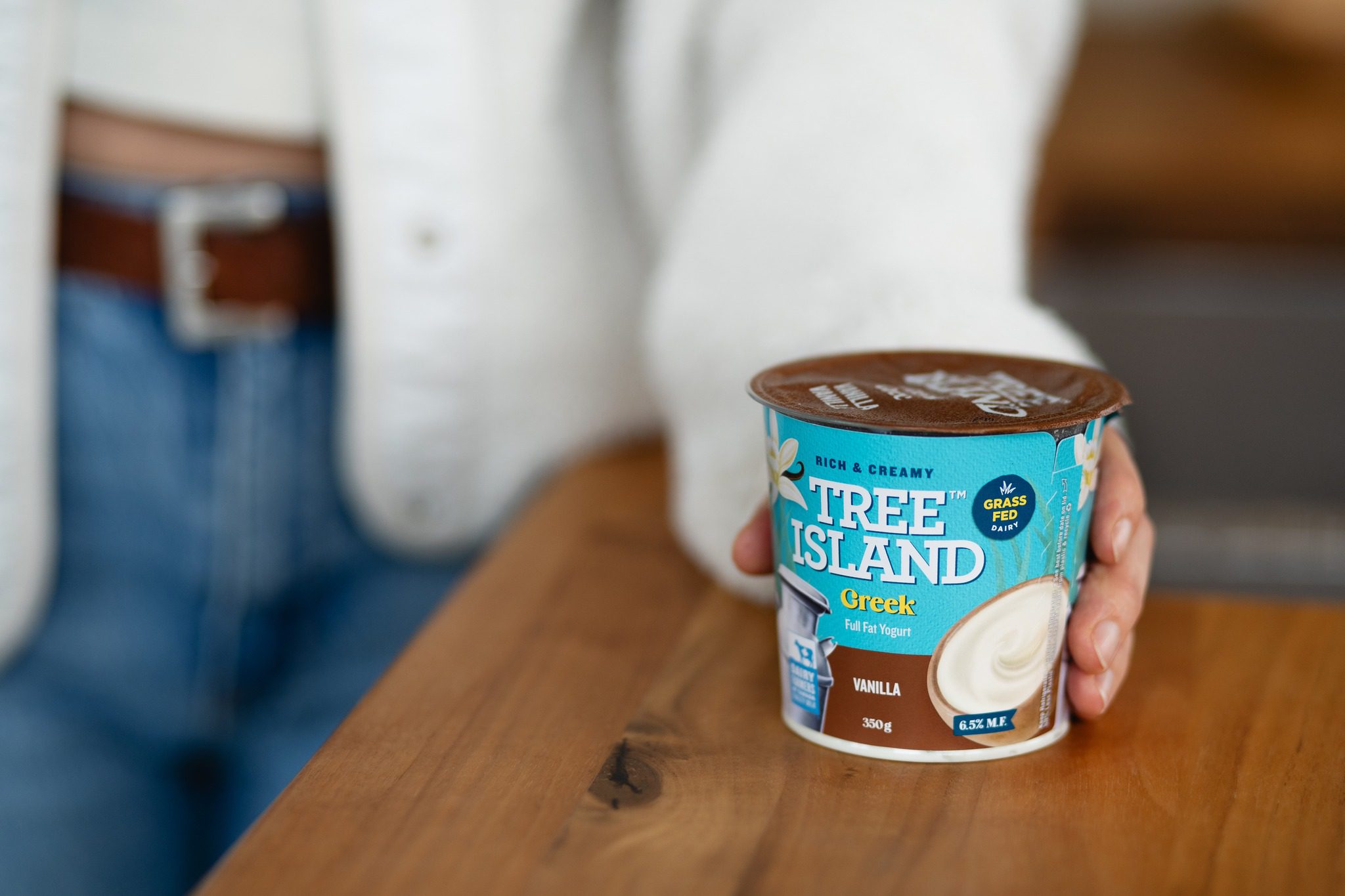
After more than a decade of making yogurt in BC, we’ve seen and heard a lot of well-meaning advice, assumptions and “facts” about what makes yogurt “good” or “healthy” (which it is).
Some of it’s true. Some of it’s not quite.
Here are a few myths we run into often.
Myth 1: Fat-Free Yogurt Is Always Healthier
For years, fat-free has been marketed as the healthier choice. And if you’re only looking at calories, this can seem true as removing fat lowers the calorie count. But here’s what also happens when you remove fat from yogurt.
However, when you remove healthy fat from yogurt, you also remove fat-soluble vitamins like A and D. You also reduce satiety meaning you’ll get hungry again faster after eating.
Many yogurt brands also counter the loss of texture and flavour from fat removal by adding extra sugar or thickeners, which isn’t leaning as much towards the healthy angle.
Alternatively, Tree Island Yogurt is made with whole-milk yogurt, which keeps you full longer, helps your body absorb nutrients, and doesn’t need artificial thickeners to feel creamy.

Myth 2: All Yogurt Has Live Probiotics
While yogurt starts with live cultures, as they are what ferment the milk and turn it into yogurt, some brands heat-treat their yogurt after the fermentation to extend its shelf life or create a smoother texture. This heat kills the live bacteria.
What you’re left with is yogurt-flavoured pudding without the probiotic benefits.
At Tree Island, we don’t heat-treat after fermentation. The live cultures we use stay alive from the moment we make the yogurt until you eat it.
If probiotics matter to you, check the label. Look for “live active cultures” or specific strain names listed in the ingredients.

Myth 3: Yogurt Is Just a Breakfast Food or Dessert
This one’s more cultural or generational than anything, and we’re always happy to expand the possibilities.
If you’ve only been eating yogurt with granola or fruit, no judgement but may we also politely point out that you may be missing out?
Plain yogurt, as a starting example, can work beautifully as a substitute for sour cream, mayonnaise, butter or heavy cream in most recipes. It’s tangy, creamy, and adds richness without being heavy.
In fact, in many parts of the world, yogurt is used in savoury dishes, whether dolloped on curries, stirred into soups, used as a marinade, or served alongside grilled meats and vegetables.
For more creative ways to use yogurt every day, click here.